

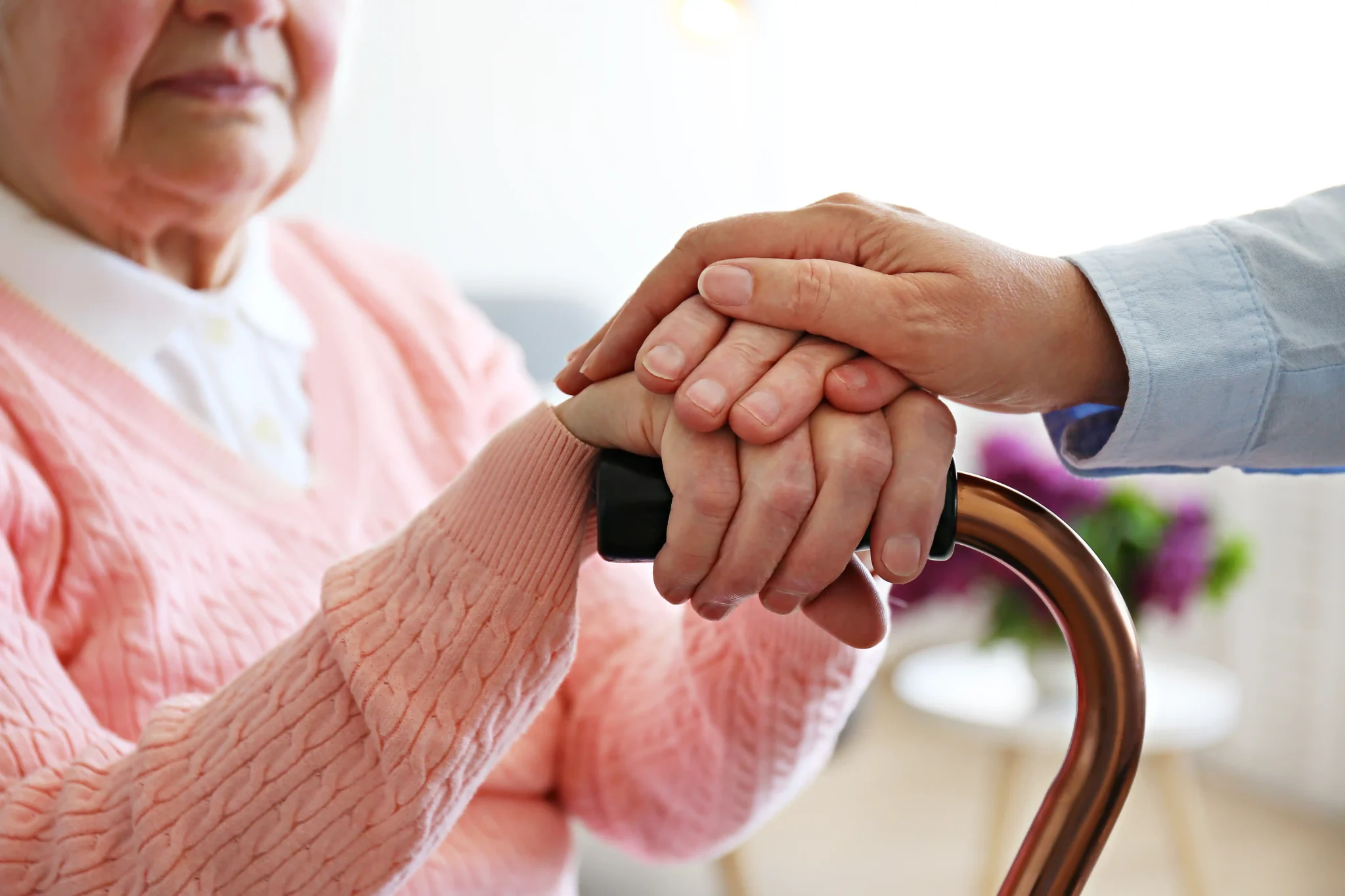
Who provides care in Spain, how to recognize the overload before it takes its toll, and what resources exist to share caregiving responsibilities.
The burden on the caregiver appears gradually: persistent tiredness, irritability, neglecting one's own health and relationships. To avoid it, you have to share the care, ask for help before reaching the limit, and use respite resources without guilt.
Caregiving can be a valuable and loving experience. But when it continues without support, burnout is almost inevitable. Below you'll find information on who provides care in Spain, warning signs, available resources, and how to take care of yourself while caring for others.
Nearly two out of three primary caregivers are women. Being overburdened is not a sign of weakness; it's the logical consequence of providing care without support. There are physical, emotional, and social signs that should be monitored. Day centers, home care, and temporary stays offer respite.
Who cares in Spain
Who is usually the primary caregiver? A woman. According to the INE's Survey on Disability, Personal Autonomy and Dependency Situations (EDAD 2020), 63,7% of primary caregivers are women. The most common profile is that of a woman between 45 and 64 years old, representing 41% of the total.
It is often a daughter, wife, or daughter-in-law who juggles caregiving with her work, her own family, and her own health. Recognizing burnout early is the best way to prevent it from affecting the caregiver or the quality of care.
Overload signals
Overload doesn't happen all at once. It builds up gradually, and often the caregiver is the last to realize it.
| Ambit | Signs |
|---|---|
| Physical | Tiredness that is not relieved by rest, back pain, poor sleep, getting sick more often |
| Emotional | Irritability, sadness, anxiety, constant guilt, feeling like it's never enough |
| Socials | Losing touch with friends, giving up hobbies, not having a moment to yourself |
| Self-health | Skipping medical check-ups, eating at irregular hours, increasing consumption of coffee, tobacco or alcohol |
| Relationship with the person being cared for | Losing patience more frequently, feeling rejection or resentment |
A practical tip. Professionals often use questionnaires like the 22-item Zarit Burden Interview to assess burnout. If you recognize yourself in several of these signs, discuss it with your family doctor or the social worker at your health center or local council.
Resources for sharing care
Short answer. Asking for help isn't letting the person you care for down; it's ensuring you can continue caring for them. These are the most common resources and what each one contributes to the person you care for.
| Resource | What does it offer to the caregiver? |
|---|---|
| Day center | Full days of rest, while the person receives care and activity |
| Home help | Support with heavy tasks such as cleaning or housework |
| Temporary stays in residence | A break of several days or weeks, for example during vacations or after an illness of the caregiver |
| Telecare | Peace of mind when the person is alone for a few hours |
| Support groups | Share experiences, learn strategies, and feel less alone. |
| Family distribution | Clear schedules between siblings or other family members, even if only for specific tasks |
If the person has been recognized as having a degree of dependency, several of these services may be part of their care plan. The entry point is the city council's social services department. And if you're going to consider a center, we've included a guide at [link missing]. What to ask when visiting a care home or day center.
Take care of yourself so you can take care of others
- Set aside some time for yourself each week. Even if it's just two hours, they should be fixed and non-negotiable.
- Maintain at least one relationship outside of caregiving. A friend, a group, an activity.
- Don't skip your medical check-ups. Your health matters too.
- Learn to decide no. Not everything has to be done by the same person.
- Request training. Knowing how to make a transfer or how to handle certain behaviors reduces stress.
- Talk about what you feel. Guilt, tiredness, or anger are normal and are better handled when shared.
Technology can alleviate some of the burden, for example with remote assistance, reminders, or guided activities that keep the person active while the caregiver rests. Inrobics We are working in that direction with the social roboticsalways as support and never as a substitute for human care.
Checklist for caregivers
FAQ
It is the physical, emotional, and social strain experienced by those who care for a family member for a long time without sufficient support. It can affect their health and the quality of care they provide.
Tiredness that doesn't go away, poor sleep, irritability, sadness, constant guilt, abandoning hobbies and friendships, and neglecting one's own health.
Day centers, home care, temporary residential stays, telecare, and support groups. The city council's social services department provides information on those available in each area.
According to the INE's EDAD 2020 survey, 63,7% of the main caregivers are women, especially those between 45 and 64 years old.
It's very common, but asking for help is a way to ensure you can continue providing care. Talking about it with professionals or other caregivers helps you cope better.
Fonts
None of the links in this article are sponsored. Inrobics We develop social robots for care centers and services; when we talk about our technology, we make that clear.
May the families rest in peace.
If you run a center and want to offer more activities to your users while their families rest, we'll tell you how we do it with social robotics.
Let's talk for 15 minutesWithout obligation
Read
"Asking for help in time doesn't diminish the love for caregiving: it makes it possible for longer."
